

Google Ads remains one of the most powerful tools for businesses looking to grow their online presence, attract qualified leads, and boost sales. But with so many companies investing in Google Ads, how can you be sure it’s worth the effort? In this article, we’ll dive into real-world case studies and examples that showcase the impact of Google Ads across various industries. From local businesses to large e-commerce brands, these stories highlight strategies, results, and insights that can help you maximize your advertising success.
Why Google Ads Continues to Deliver Strong ROI
One of the key reasons businesses keep turning to Google Ads is the impressive return on investment it offers. According to the Google Economic Impact Report, businesses earn an average of $2 for every $1 spent on Google Ads. This 2:1 return ratio means that well-executed campaigns can not only pay for themselves but also generate significant profit.
Moreover, Google Ads doesn’t just work in isolation. It can amplify your advertising efforts on other platforms, creating a multiplier effect. For example, a case study from Pringles shared by Your Marketing People demonstrates how integrating Google Ads with other marketing channels can boost overall campaign performance, driving brand awareness and conversions simultaneously.
In addition to its impressive ROI, Google Ads offers unparalleled targeting options that allow businesses to reach their ideal audience with precision. With tools like keyword targeting, demographic filters, and location targeting, advertisers can tailor their campaigns to ensure they are seen by the right people at the right time. This level of customization not only helps in maximizing ad spend efficiency but also enhances the user experience by delivering relevant ads to potential customers who are actively searching for related products or services.
Furthermore, the flexibility of Google Ads allows businesses to adapt their strategies in real-time based on performance data. With detailed analytics and reporting features, advertisers can track key metrics such as click-through rates, conversion rates, and cost per acquisition. This data-driven approach enables marketers to make informed decisions, optimize their campaigns on the fly, and allocate budgets more effectively, ensuring that every dollar spent contributes to their overall business goals.
Success Stories: Local Business Growth with Google Ads
Plumbing Company Sees 72% Increase in Qualified Leads
Local businesses often face tough competition, and finding cost-effective ways to attract qualified leads is essential. A compelling example comes from a local plumbing company that leveraged Google Ads with smart A/B testing strategies. By experimenting with different ad copy, targeting options, and landing pages, they achieved a remarkable 72% increase in qualified leads.
Even more impressive was their 70% decrease in cost per lead, a game-changer for their marketing budget. This case study, shared by Social Sherpa, highlights how continuous testing and optimization can dramatically improve results, even for small businesses with limited resources. The plumbing company also utilized customer feedback to refine their service offerings, ensuring that their ads not only attracted clicks but also resonated with potential customers’ needs and pain points.
In addition to their successful ad campaigns, the plumbing company embraced a multi-channel approach by integrating their Google Ads strategy with social media marketing. They shared customer testimonials and project highlights on platforms like Facebook and Instagram, which helped to build trust and credibility in their local community. This synergy between different marketing channels not only enhanced their brand visibility but also encouraged repeat business and referrals, further solidifying their position in the market.
Key Takeaways for Local Advertisers
Local businesses should focus on hyper-targeted campaigns that speak directly to their community’s needs. Using Google Ads’ geo-targeting features and regularly testing ad variations can help identify the most effective messaging. Tracking conversions and adjusting bids based on performance ensures the budget is spent wisely, maximizing lead quality and minimizing wasted spend. Additionally, engaging with customers through social media and gathering insights from their interactions can provide invaluable data to inform future advertising strategies, creating a feedback loop that enhances overall marketing effectiveness.
E-Commerce Brands Scaling with Google Ads
Reducing Cost-Per-Acquisition While Increasing Conversions
E-commerce brands face unique challenges, including fierce competition and the need to optimize every dollar spent on advertising. A standout example from TGQ Marketing shows how an online retailer with a $20,000 monthly Google Ads budget managed to reduce their cost-per-acquisition (CPA) by 33% while increasing conversions by over 60%.
This case study illustrates the importance of data-driven decision-making and campaign scaling. By analyzing performance metrics at a granular level and reallocating budget toward the highest-converting campaigns, the brand was able to grow efficiently without sacrificing profitability. The retailer also utilized advanced tracking tools to monitor customer behavior, allowing them to identify which products were most appealing and which marketing messages resonated best with their audience.
Strategies That Made a Difference
Key strategies included leveraging audience segmentation to target high-intent shoppers, using remarketing campaigns to re-engage visitors, and continuously refining keyword targeting to focus on terms with the best conversion rates. This approach not only improved efficiency but also helped the brand build a loyal customer base. Additionally, the retailer implemented A/B testing for their ad creatives, enabling them to determine which visuals and copy drove the highest engagement. By rotating ads frequently and keeping content fresh, they maintained user interest and reduced ad fatigue, further enhancing their overall campaign performance.
Moreover, the brand invested in optimizing their landing pages to ensure a seamless user experience. By aligning the landing page content with the ads, they were able to increase the likelihood of conversion. This included using high-quality images, clear calls to action, and customer testimonials to build trust. The combination of these strategies not only led to immediate sales but also fostered long-term relationships with customers, encouraging repeat purchases and word-of-mouth referrals.
Industry Trends and Budget Shifts in 2025
Google Ads continues to evolve, and staying on top of industry trends is crucial for advertisers. According to an eMarketer report, 41% of brands increased their Google Ads budget in 2025, signaling strong confidence in the platform’s ability to drive growth.
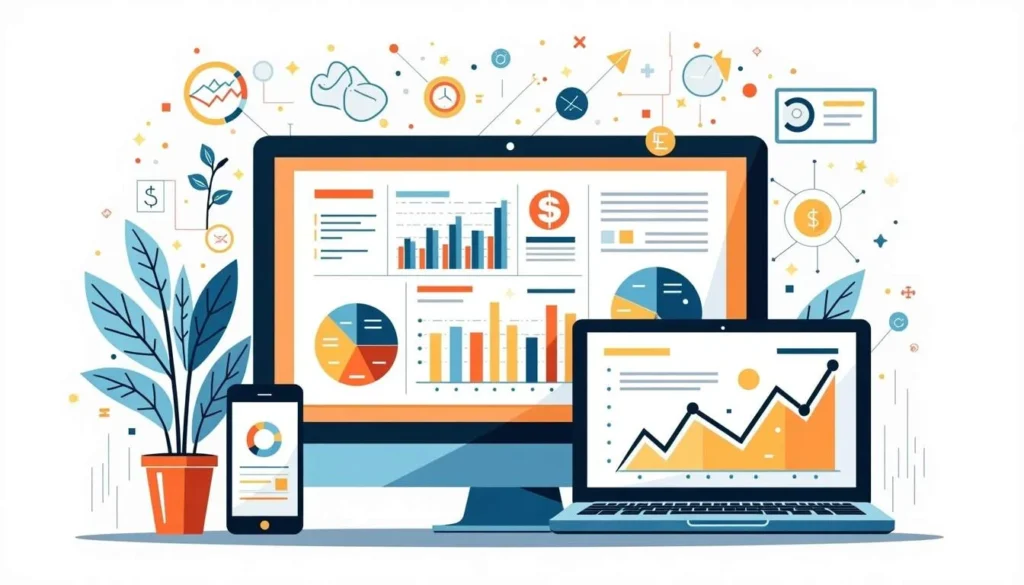
Retail remains a dominant sector, accounting for 27% of total Google Ads spending this year, as reported by Statista. This highlights how retailers, both online and brick-and-mortar, are leveraging Google Ads to capture consumer demand and stay competitive.
In addition to retail, the technology sector has also seen a notable increase in advertising expenditure, with companies allocating more resources to Google Ads to promote their latest innovations and services. As technology evolves rapidly, brands are investing in targeted advertising campaigns to reach specific demographics, ensuring that their products resonate with the right audience. The rise of artificial intelligence and machine learning tools within Google Ads is enabling advertisers to optimize their campaigns more effectively, leading to higher conversion rates and better return on investment.
Moreover, the shift towards mobile-first advertising is becoming increasingly significant. With more consumers relying on their smartphones for shopping and information, advertisers are adapting their strategies to create mobile-friendly ads that capture attention on smaller screens. This trend is supported by data showing that mobile devices account for over 60% of Google Ads clicks, prompting brands to prioritize mobile optimization in their advertising efforts. As a result, we can expect to see more dynamic ad formats and interactive content designed specifically for mobile users, enhancing engagement and driving sales in this competitive landscape.
Understanding the Future: Privacy and Advertising Innovations
With increasing concerns around privacy, Google has made significant changes to its advertising ecosystem. In 2022, Google canceled its Federated Learning of Cohorts (FLoC) proposal after testing, citing privacy concerns, as detailed in a study on arXiv. This decision reflects the ongoing balancing act between effective targeting and respecting user privacy. The FLoC initiative aimed to enable advertisers to reach audiences without compromising individual user data, but the backlash highlighted the complexities of consumer trust in digital advertising.
Meanwhile, researchers have developed simulation frameworks like EXP-SEA to better understand collective behaviors in search engine advertising, offering new insights into how advertisers can optimize campaigns in complex environments (arXiv). These frameworks allow for the modeling of various scenarios and the impact of different advertising strategies, providing a rich ground for experimentation. By simulating user interactions and responses, advertisers can identify more effective approaches while minimizing reliance on invasive data collection methods.
For advertisers, staying informed about these developments is essential. Adapting strategies to align with privacy regulations and leveraging new tools will be key to maintaining campaign effectiveness in the years ahead. As the landscape continues to evolve, the integration of artificial intelligence and machine learning into advertising strategies is becoming increasingly prevalent. These technologies not only enhance targeting capabilities but also allow for real-time adjustments based on user engagement metrics, ensuring that campaigns remain relevant and effective.
Furthermore, the rise of privacy-centric browsers and tools is reshaping user expectations regarding data usage. With features like enhanced tracking protection and cookie blocking becoming standard, advertisers must rethink their approaches to reach audiences without compromising on ethical standards. This shift presents both challenges and opportunities, as brands that prioritize transparency and user consent may foster stronger relationships with consumers, ultimately leading to greater brand loyalty and trust.
Bringing It All Together: Best Practices from Real-World Examples
These case studies and trends reveal several best practices for getting the most out of Google Ads:
- Test and Optimize Regularly: Continuous A/B testing can uncover what resonates best with your audience, improving lead quality and reducing costs.
- Leverage Data for Scaling: Use detailed performance data to identify winning campaigns and scale them efficiently, as demonstrated by successful e-commerce brands.
- Integrate Across Channels: Amplify your Google Ads efforts by coordinating with other marketing platforms to enhance overall campaign impact.
- Focus on Audience Targeting: Use Google Ads’ targeting capabilities to reach high-intent users and tailor your messaging accordingly.
- Stay Updated on Industry Changes: Privacy regulations and technological innovations require advertisers to be agile and informed.
By applying these insights, businesses of all sizes can harness the power of Google Ads to drive measurable growth and achieve their marketing goals. Additionally, it is crucial to understand the importance of creative ad copy and visuals. Engaging and relevant content not only captures attention but also encourages user interaction, making it essential to invest time in crafting compelling advertisements. Brands that prioritize high-quality visuals and persuasive messaging often see higher click-through rates and conversions, as they resonate more deeply with their target audience.
Moreover, consider the role of remarketing in your strategy. This technique allows businesses to re-engage users who have previously interacted with their website or ads, reminding them of products or services they showed interest in. By strategically targeting these warm leads, companies can significantly increase their chances of conversion. Implementing a well-thought-out remarketing campaign can lead to improved ROI, as it capitalizes on existing interest and familiarity with your brand.
Conclusion
Google Ads continues to be a cornerstone of digital advertising, offering strong returns and versatile strategies for businesses worldwide. From local plumbing companies boosting leads by over 70% to e-commerce brands slashing acquisition costs while increasing conversions, the real-world examples prove that with the right approach, Google Ads can deliver outstanding results.

Whether you’re just starting out or looking to scale your campaigns, learning from these case studies and staying abreast of industry trends will help you make smarter decisions and maximize your advertising investment. The future of search engine advertising is dynamic and evolving, but one thing remains clear: Google Ads is a powerful tool for growth when used thoughtfully and strategically.
