

In today’s digital marketing landscape, businesses have a plethora of tools at their disposal to reach customers and boost sales. Two of the most powerful channels—Google Ads and email marketing—each offer unique advantages. But when combined strategically, they can create a marketing powerhouse that maximizes return on investment (ROI), increases engagement, and drives conversions. This article explores how to effectively use Google Ads alongside email marketing to elevate your campaigns and grow your business.
Why Combine Google Ads and Email Marketing?
Google Ads and email marketing are often seen as separate entities, but they complement each other beautifully. Google Ads allows you to reach a massive audience—over 90% of global internet users, which translates to approximately 4.77 billion people worldwide—through targeted search, display, and video ads. Meanwhile, email marketing offers a direct line to your audience’s inbox, where personalized messages can nurture leads and encourage repeat business.
When used together, these channels create a seamless customer journey. Google Ads can attract new visitors to your website, while email marketing nurtures those visitors into loyal customers by delivering tailored content and offers. This synergy not only increases brand visibility but also improves conversion rates and overall campaign performance.
Maximizing ROI with Dual Strategies
Both Google Ads and email marketing boast impressive ROI figures. Businesses earn an average of $2 for every $1 spent on Google Ads, indicating a 200% return on investment. Email marketing outshines this with an average ROI of $42 for every dollar spent, making it one of the most cost-effective marketing channels available.
By integrating these two strategies, marketers can leverage the high reach and intent-driven traffic from Google Ads with the personalized and highly engaging nature of email campaigns. This combination often results in higher conversion rates and better customer retention. For instance, a well-timed email campaign can follow up on a Google Ads click, reminding potential customers of the products they viewed or offering them exclusive discounts, thereby nudging them closer to making a purchase.
Moreover, the data collected from both channels can be invaluable. Google Ads provides insights into which keywords and ads are driving traffic, while email marketing analytics reveal which messages resonate most with your audience. By analyzing this data, marketers can refine their strategies, ensuring that both their ads and emails are optimized for maximum effectiveness. This data-driven approach not only enhances the customer experience but also enables brands to stay ahead of their competition in an ever-evolving digital landscape.
How to Use Google Ads to Fuel Your Email Marketing List
Building a high-quality email list is essential for successful email marketing. Google Ads can be a powerful tool to attract new subscribers by targeting users who are already searching for products or services like yours.
Creating Lead Generation Campaigns
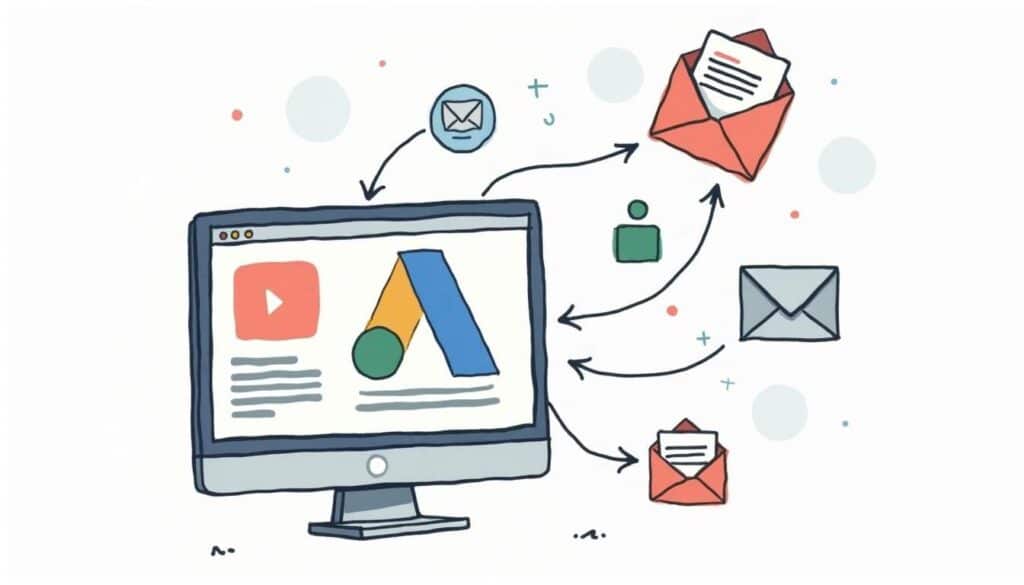
One effective approach is to run Google Ads campaigns specifically designed to capture leads. Use compelling offers such as free ebooks, discounts, or exclusive content to entice users to sign up for your email list. With Google Ads’ targeting capabilities, you can reach people based on keywords, demographics, interests, and even their past interactions with your website.
For example, a business selling fitness gear might target keywords like “best running shoes” or “home workout equipment” and offer a free workout guide in exchange for an email address. This not only grows your list but attracts subscribers genuinely interested in your niche. Additionally, consider leveraging remarketing strategies to re-engage users who visited your site but did not sign up. By showing tailored ads to these potential leads, you can remind them of your offer and encourage them to reconsider subscribing.
Optimizing Landing Pages for Conversions
To maximize sign-ups, ensure your landing pages are optimized for conversions. Keep forms simple, highlight the benefits of subscribing, and use clear calls to action. Consistency between your ad copy and landing page messaging builds trust and improves user experience.
Moreover, incorporating social proof, such as testimonials or subscriber counts, can significantly enhance credibility and encourage new visitors to join your list. A/B testing different elements on your landing page, such as headlines, images, or button colors, can also provide insights into what resonates best with your audience. By continually refining your approach based on performance data, you can increase conversion rates and grow your email list more effectively.
Enhancing Email Campaigns with Google Ads Data
Data from Google Ads campaigns can provide valuable insights to refine your email marketing efforts. Understanding which keywords, ads, and audience segments drive the most traffic and conversions can help tailor your email content to better meet subscriber interests. By analyzing this data, marketers can identify trends and preferences that inform not only the content of their emails but also the timing and frequency of their campaigns, leading to a more strategic approach to email marketing.
Segmenting Email Lists Based on Ad Engagement
Segmenting your email list based on how users interacted with your Google Ads campaigns allows for more personalized messaging. For instance, users who clicked on ads for a specific product category can receive targeted emails featuring related products, promotions, or educational content. This targeted approach not only increases the likelihood of engagement but also fosters a sense of connection between the brand and the consumer, as recipients feel that the content is tailored specifically to their interests.
This level of personalization has proven benefits. Personalized email campaigns improve click-through rates by 14% and conversions by 10%, making your email marketing more effective and engaging. Additionally, leveraging behavioral data from Google Ads can help you identify high-value customers who may be interested in exclusive offers or loyalty programs, further enhancing their experience and encouraging brand loyalty.
Retargeting Email Subscribers with Google Ads
Another powerful tactic is retargeting your email subscribers with Google Ads. By uploading your email list to Google Ads, you can create custom audiences and serve ads specifically to people who already know your brand. This reinforces your message, encourages repeat visits, and helps close sales. Retargeting ads can be particularly effective when they highlight new arrivals, seasonal promotions, or products that align with previous purchases, creating a seamless shopping experience across platforms.
Retargeting keeps your brand top of mind and can significantly improve conversion rates, especially when combined with timely and relevant email follow-ups. Moreover, utilizing dynamic remarketing can allow you to show tailored ads featuring products that users have previously viewed on your website, increasing the chances of conversion by reminding them of their interest. By integrating these strategies, you can create a cohesive marketing ecosystem that nurtures leads and drives sales through both email and advertising channels.
Best Practices for Integrating Google Ads and Email Marketing
To get the most out of combining Google Ads with email marketing, consider these best practices:
Align Messaging Across Channels
Consistency is key. Ensure that your Google Ads copy, landing pages, and email content share a cohesive message and tone. This builds trust and reduces friction as users move through your marketing funnel. For instance, if your Google Ads promote a limited-time offer, make sure that the same urgency is reflected in your email campaigns. This not only reinforces the message but also encourages quicker decision-making from potential customers, as they perceive a unified and compelling narrative across all touchpoints.
Leverage Automation and Personalization
Use marketing automation tools to trigger emails based on user actions from your Google Ads campaigns. For example, send a welcome email immediately after someone signs up via a lead generation ad. Incorporate personalization tokens to address subscribers by name and tailor content to their preferences. Additionally, consider segmenting your email lists based on user behavior, such as those who clicked on specific ads or visited certain landing pages. This allows for even more targeted messaging, increasing the likelihood of engagement and conversion.
Monitor and Optimize Performance
Regularly analyze performance metrics from both Google Ads and email marketing platforms. Track click-through rates, conversion rates, cost-per-click, and ROI to identify what’s working and where improvements are needed. The average click-through rate for Google Ads across all industries is 3.17%, and the average conversion rate is 4.4%, so use these benchmarks to gauge your success. Furthermore, consider using UTM parameters in your Google Ads links to gain deeper insights into how your ads are driving email sign-ups and subsequent purchases, allowing for a more granular analysis of your marketing efforts.
Test and Experiment
Don’t be afraid to test different ad creatives, landing page designs, email subject lines, and content formats. A/B testing helps uncover what resonates best with your audience, leading to continuous improvement. For example, you might find that a more casual tone in your emails leads to higher engagement rates, or that certain visuals in your ads drive more clicks. Keep in mind that testing should be an ongoing process; even small adjustments can yield significant results over time. Additionally, consider testing the timing of your emails in relation to your Google Ads campaigns to see if there’s an optimal window for reaching your audience when they’re most receptive.
The Future of Google Ads and Email Marketing
As digital marketing evolves, the integration of Google Ads and email marketing is becoming more sophisticated. Advances in AI and machine learning enable even deeper personalization and smarter targeting, making campaigns more efficient and impactful. With the ability to analyze user behavior and preferences in real-time, marketers can craft tailored messages that resonate with individual consumers, enhancing engagement and conversion rates significantly.
Moreover, email marketing revenue is projected to reach $17.90 billion by 2027, up from $10.89 billion in 2023, highlighting its growing importance. Meanwhile, Google Search remains the highest-performing digital channel with an ROI of $1.43 for every dollar spent in 2024. These trends underscore the value of mastering both channels together. The synergy between Google Ads and email marketing not only amplifies brand visibility but also nurtures leads through targeted follow-ups, ensuring that potential customers remain engaged throughout their buyer journey.
Embracing Cross-Channel Marketing
Successful marketers will continue to break down silos between channels, creating integrated strategies that deliver a seamless experience across search, email, social media, and beyond. Combining Google Ads’ vast reach with email marketing’s personalized touch is a winning formula that drives results today and into the future. By leveraging data from Google Ads campaigns, marketers can refine their email lists, segment audiences more effectively, and send timely, relevant content that aligns with users’ interests and behaviors.
Furthermore, the rise of automation tools is revolutionizing how marketers approach cross-channel campaigns. Automated workflows can trigger personalized emails based on user interactions with Google Ads, ensuring that the right message reaches the right audience at the optimal time. This level of integration not only enhances user experience but also maximizes the efficiency of marketing budgets, allowing businesses to allocate resources more strategically across their digital channels. As these technologies continue to advance, the potential for innovative marketing strategies will only grow, making it essential for marketers to stay ahead of the curve.
Conclusion
Using Google Ads in tandem with email marketing offers businesses a powerful way to attract, engage, and convert customers. By leveraging Google Ads to grow and segment your email list, and using email marketing to nurture and personalize communication, you can significantly boost your marketing ROI.

Remember to align your messaging, use data-driven insights, and continuously optimize your campaigns. With over 1.2 million businesses in the U.S. already using Google Ads, and email marketing delivering an average ROI of $42 for every dollar spent, the opportunity to grow your business through these channels is immense.
Start integrating your Google Ads and email marketing strategies today to unlock their full potential and stay ahead in the competitive digital landscape.
