

Creating a landing page that converts is both an art and a science. When paired with Google Ads, the right landing page can turn clicks into customers, boosting your revenue and growing your business. But here’s the catch: what works wonders for one industry might fall flat in another. In this article, we’ll explore how to tailor your Google Ads landing pages to different industries, backed by current data and expert insights to help you maximize your ROI.
Why Landing Pages Matter in Google Ads Campaigns
Before diving into industry-specific tips, it’s crucial to understand why landing pages are so important. According to the Google Economic Impact Report, businesses earn an average of $2 in revenue for every $1 invested in Google Ads. This impressive return hinges largely on how well your landing page converts visitors into customers.
Marketing guru Seth Godin puts it perfectly: “The landing page is your digital handshake; it’s essential to make it warm and welcoming.” A landing page isn’t just a destination—it’s the first impression your potential customers get after clicking your ad. If that impression isn’t inviting or relevant, visitors will bounce quickly.
Moreover, a well-optimized landing page can significantly enhance your Quality Score in Google Ads, which is a critical factor in determining your ad rank and cost-per-click. Google rewards advertisers who create relevant and useful landing pages by lowering their costs and improving their ad positions. This means that investing time and resources into crafting a compelling landing page can yield long-term benefits, not just in immediate conversions but also in the overall effectiveness of your advertising strategy.
Additionally, landing pages provide an excellent opportunity to segment your audience and tailor your messaging. By creating different landing pages for various demographics or interests, you can speak directly to the needs and desires of your target market. This level of personalization not only boosts conversion rates but also fosters a stronger connection with your brand. In a world where consumers are bombarded with choices, standing out with a targeted landing page can be the difference between a click and a conversion.
Speed and Mobile Optimization: The Non-Negotiables
In today’s mobile-first world, your landing page must load fast and look great on any device. WordStream reports that 53% of mobile users abandon a page if it takes longer than three seconds to load. This means that even if your ad is perfectly targeted, a slow landing page can kill your conversion chances. The implications of this statistic are profound, especially considering that mobile traffic now accounts for over half of all web traffic globally. Businesses that fail to prioritize speed may not only lose potential customers but also suffer from diminished brand reputation and increased bounce rates.
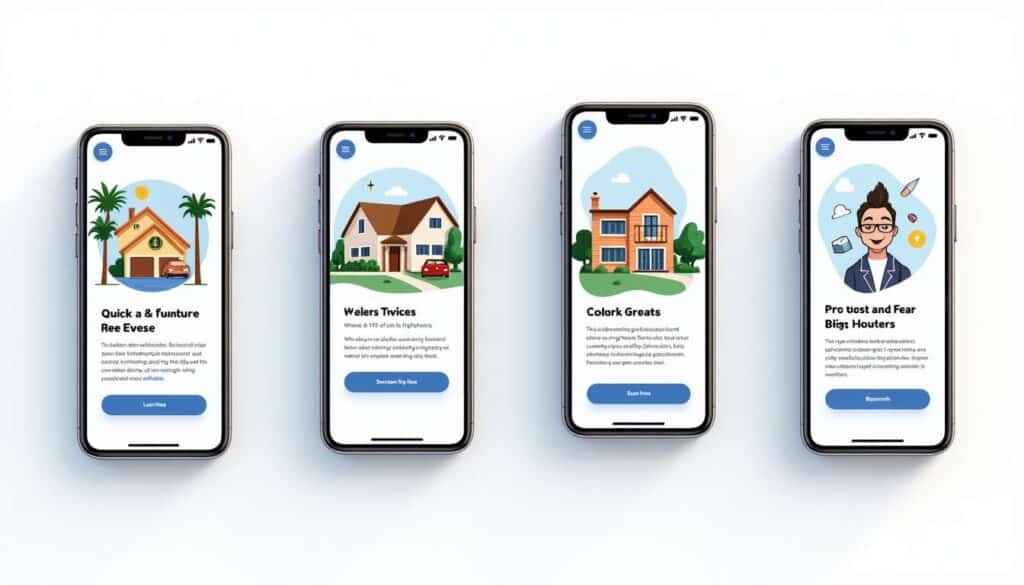
Mobile optimization isn’t just about resizing content; it’s about creating an experience that feels seamless and intuitive on smaller screens. Neil Patel, a leading marketing expert, emphasizes that “the future of marketing is in the user experience, where landing pages act as integral experiences rather than destinations.” This means that every element on your mobile page, from buttons to text size, should be designed with touch interactions in mind. For instance, using larger buttons can significantly improve usability, reducing the chances of user frustration and abandonment.
Tips for Speed and Mobile Optimization
- Use compressed images and avoid heavy scripts.
- Implement AMP (Accelerated Mobile Pages) where possible.
- Keep your design clean and navigation simple.
- Test loading times regularly using tools like Google PageSpeed Insights.
Additionally, consider the importance of mobile-friendly fonts and color contrasts. Text that is too small or poorly contrasted can lead to readability issues, which may deter users from engaging with your content. Furthermore, integrating touch gestures, such as swiping and pinching, can enhance interactivity and make navigation feel more natural. As mobile devices continue to evolve, staying ahead of the curve with innovative design and functionality will not only improve user satisfaction but also keep your brand competitive in a crowded marketplace.
Lastly, don’t underestimate the power of analytics in optimizing your mobile experience. By closely monitoring user behavior through heatmaps and session recordings, you can gain valuable insights into how visitors interact with your landing page. This data can guide you in making informed decisions about layout adjustments, content placement, and even call-to-action strategies, ensuring that your mobile optimization efforts are both effective and user-centric.
“`html
Industry-Specific Landing Page Strategies
Different industries attract different audiences, each with unique expectations and behaviors. Here’s how to tailor your Google Ads landing pages to some of the most common sectors.

1. E-commerce: Fast, Clear, and Trustworthy
E-commerce landing pages need to quickly communicate product benefits and build trust. Since users are often comparison shopping, clarity and simplicity are key.
Highlight product images, clear pricing, and strong calls-to-action (CTAs) like “Buy Now” or “Add to Cart.” Including customer reviews or trust badges can also reduce hesitation.
Given the average Google Ads conversion rate across industries is 7.52% (Groas.ai), e-commerce brands should aim to optimize every element to push conversions above this benchmark.
Additionally, consider implementing live chat features to assist potential buyers in real-time, addressing any questions or concerns they may have while browsing. Utilizing urgency tactics, such as limited-time offers or countdown timers, can also encourage quicker decision-making, ultimately leading to higher conversion rates.
2. B2B Services: Focus on Value and Lead Generation
B2B buyers often need more information before making decisions. Landing pages here should focus on demonstrating value, expertise, and trustworthiness.
Use clear headlines that address pain points, offer downloadable resources like whitepapers or case studies, and include contact forms for lead capture. Avoid clutter—keep the page professional and focused.
Remember, longer exposure durations don’t necessarily improve ad effectiveness. A study on ad viewability (arXiv.org) found that more than 10 seconds of exposure and 100% visible pixels aren’t always optimal. This means your landing page should deliver key info quickly and encourage immediate action.
Incorporating elements like client logos or partnership badges can enhance credibility, while offering a free consultation or demo can entice potential clients to engage further. Additionally, consider using analytics tools to track user interactions on your landing page, allowing for continuous optimization based on real user behavior.
3. Healthcare and Wellness: Build Trust and Reassurance
In healthcare, trust is paramount. Landing pages should feel safe and reassuring, with clear contact info, credentials, and patient testimonials.
Use calming colors and straightforward language to reduce anxiety. Make appointment booking or consultation requests easy and accessible.
Since mobile users are critical in this sector, ensure your page loads fast and is easy to navigate on smartphones.
Furthermore, providing educational content, such as blog posts or videos about health topics, can position your practice as a thought leader in the industry. Incorporating a FAQ section can also address common concerns, making potential patients feel more informed and comfortable about their healthcare choices.
4. Real Estate: Visual Appeal and Local Focus
Real estate landing pages thrive on strong visuals and local relevance. Use high-quality images or videos of properties and highlight neighborhood features.
Include clear CTAs like “Schedule a Tour” or “Get Pricing Info.” Adding interactive maps or virtual tours can significantly enhance user engagement.
Given that 70% of industries saw an increase in click-through rates (CTR) between 2023 and 2024 (Digital Silk), real estate advertisers should capitalize on this trend by creating compelling, user-friendly landing pages.
Consider showcasing neighborhood statistics, such as school ratings or local amenities, to provide potential buyers with a comprehensive view of the area. Additionally, using social proof, like testimonials from satisfied clients or success stories of previous sales, can further build trust and encourage visitors to take the next step.
5. Education and Online Courses: Highlight Benefits and Outcomes
For education providers, landing pages should focus on the benefits of courses and the outcomes students can expect.
Use testimonials, success stories, and clear descriptions of course content. Make enrollment or inquiry forms straightforward and easy to complete.
Since the average click-through rate in Google Ads is 6.42% (Digital Silk), education marketers should focus on crafting landing pages that keep users engaged and reduce bounce rates.
Incorporating interactive elements, such as quizzes or assessments, can engage users and provide personalized recommendations for courses. Additionally, offering limited-time discounts or early-bird registration incentives can create a sense of urgency, motivating potential students to enroll without delay.
“`
Universal Best Practices for All Industries
While tailoring your landing page to your industry is important, some best practices apply across the board:
Keep It Focused
Your landing page should have one clear goal. Whether it’s making a sale, capturing a lead, or booking an appointment, avoid distractions that pull visitors away from this action. This focus not only enhances the user experience but also increases the likelihood of conversion. To achieve this, consider using a single, prominent image or video that encapsulates your offer, along with minimal text that guides the visitor toward the desired action. By eliminating unnecessary links and clutter, you create a streamlined path that encourages users to engage with your content.
Clear and Compelling CTAs
Calls-to-action should be visible, concise, and action-oriented. Use contrasting colors and persuasive language to make them stand out. Experiment with different phrases that evoke urgency or excitement, such as “Get Started Today!” or “Claim Your Free Trial Now!” Additionally, placing CTAs strategically throughout the page—such as at the top, middle, and bottom—can cater to users at different stages of their decision-making process. A well-placed CTA can serve as a gentle nudge, guiding visitors toward taking the next step.
Consistent Messaging
Ensure your landing page message aligns perfectly with your Google Ads copy. This consistency reassures visitors they’re in the right place. Mismatched messaging can lead to confusion and distrust, causing potential customers to abandon your page. To further enhance this alignment, consider incorporating keywords from your ad copy into your landing page content. This not only reinforces the message but also helps with SEO, improving your page’s visibility and relevance in search results.
Test and Optimize
Continuous A/B testing of headlines, images, CTAs, and layouts can reveal what resonates best with your audience. Use analytics to track performance and make data-driven improvements. In addition to A/B testing, consider utilizing heatmaps to visualize where users are clicking and how they navigate your page. This insight can help you identify areas that may need adjustment, such as repositioning CTAs or simplifying navigation. Remember, even small changes can lead to significant improvements in conversion rates, so be diligent in your testing and remain open to iterating on your design and content strategies.
Conclusion: Crafting Landing Pages That Convert
Investing in Google Ads is only half the battle. The real magic happens on your landing page. By understanding the unique needs of your industry and combining that with proven best practices, you can create landing pages that not only attract clicks but also convert those clicks into meaningful business results.
Remember, speed, mobile optimization, clear messaging, and user experience are your foundation. From there, customize your approach to speak directly to your audience’s needs and expectations. As Seth Godin reminds us, your landing page is your digital handshake—make sure it’s one that leaves a lasting, positive impression.
