

In the ever-evolving world of digital marketing, reaching the right audience at the right place and time is crucial. That’s where geographic targeting in Google Ads comes into play. Whether you’re a local business owner or a marketer managing campaigns for a global brand, understanding how to leverage location-based targeting can significantly boost your ad performance and drive meaningful results.
What Is Geographic Targeting in Google Ads?
Geographic targeting, also known as geo-targeting, allows advertisers to deliver ads to users based on their physical location. This can be as broad as targeting entire countries or as specific as targeting neighborhoods or even a radius around a store.
By tailoring ads to specific locations, businesses can connect with potential customers who are more likely to be interested in their products or services. For example, a coffee shop in downtown Toronto can target ads only to people within a few miles, ensuring their budget is spent on reaching those who can actually visit their store.
Why Geographic Targeting Matters
One of the most compelling reasons to use geographic targeting is its direct impact on local foot traffic. Research shows that consumers are twice as likely to visit a physical store if they see a geo-located ad. This means that location-based advertising isn’t just about clicks—it’s about driving real-world visits and conversions.
Moreover, Google’s introduction of AI-powered location-based ad solutions in 2024 has further enhanced the effectiveness of geographic targeting. These innovations have led to a 38% rise in ad click-through rates and a 34% improvement in local store visits, demonstrating just how powerful this strategy can be.
In addition to increasing foot traffic, geographic targeting allows businesses to create more personalized and relevant ad experiences for their audience. For instance, a restaurant can promote seasonal dishes that are popular in a specific region, or a retail store can advertise a local event that resonates with the community. This level of customization not only improves the chances of engagement but also fosters a deeper connection between businesses and their customers, making them feel valued and understood.
Furthermore, geographic targeting can significantly enhance the efficiency of advertising budgets. By focusing on specific locations, businesses can avoid wasting resources on audiences that are unlikely to convert. For example, a landscaping service operating in a particular city can exclude users from neighboring towns where they do not provide services, ensuring that every dollar spent on advertising is aimed at potential clients. This strategic approach to ad spending can lead to higher returns on investment and a more sustainable business model over time.
How Geographic Targeting Works in Google Ads
Google Ads offers several ways to implement geographic targeting, giving advertisers flexibility to fine-tune their campaigns:
1. Location Targeting Options
You can choose to target by countries, regions, cities, or postal codes. Additionally, radius targeting lets you define a specific distance around a location, perfect for businesses wanting to reach customers nearby.
For example, a car dealership might target users within a 20-mile radius, while an online store shipping only within certain states can exclude other regions. This level of precision is particularly beneficial for local businesses that rely on foot traffic, such as restaurants or retail stores, where potential customers are often looking for services in their immediate vicinity. By honing in on specific geographic areas, businesses can ensure that their ads are seen by the most relevant audience, increasing the likelihood of engagement and conversion.
2. Location Exclusions
Just as important as targeting the right locations is excluding irrelevant ones. If your business doesn’t serve certain areas, excluding those locations prevents wasted ad spend and improves campaign efficiency. This feature is especially useful for companies that may have a national presence but only operate in select regions. For instance, a home services company might want to exclude areas that are too far from their service range, ensuring that their resources are focused on potential customers who are more likely to convert.
Moreover, location exclusions can also help in refining your audience by preventing ads from being shown in regions where your product or service may not be relevant. This not only saves budget but also enhances the overall performance of your ads, as the remaining audience is more likely to respond positively to your offerings. By strategically managing exclusions, advertisers can create a more effective and targeted campaign that resonates with the right demographics.
3. Location Bid Adjustments
Google Ads allows you to increase or decrease bids based on location performance. If certain areas generate higher conversions, you can bid more aggressively there, maximizing your return on investment. This dynamic bidding strategy enables advertisers to allocate their budgets more effectively, ensuring that they are investing in areas that yield the best results.
Additionally, analyzing the performance data by location can reveal valuable insights into customer behavior and preferences. For example, if a particular city shows a higher interest in a specific product, advertisers can tailor their messaging to better align with local trends and cultural nuances. This not only improves ad relevance but also fosters a stronger connection with the audience, leading to increased trust and loyalty. By leveraging location bid adjustments, businesses can stay agile in their marketing strategies, adapting to changing market conditions and consumer demands with ease.
Why Mobile and Local Searches Make Geographic Targeting Essential
Mobile devices are now the dominant platform for search, accounting for approximately 63% of Google’s paid search clicks. Mobile ads also have a 40% higher engagement rate compared to desktop ads. This shift means that location-based targeting on mobile devices is more important than ever. As users increasingly rely on their smartphones for immediate information, businesses must adapt their marketing strategies to meet this demand. The immediacy of mobile searches means that users are often looking for quick solutions and are more likely to convert when they find what they need in their vicinity.
Additionally, mobile searches for “near me” have surged by 150% in recent years, reflecting growing local search intent. People are increasingly using their phones to find nearby businesses and services, making geographic targeting a critical tool for capturing this audience. This trend is not just limited to retail; service-based industries like restaurants, salons, and repair services are also seeing a spike in local searches. The convenience of finding services within a short distance has reshaped consumer behavior, with many preferring to support local businesses that can provide immediate assistance.
How This Translates to Business Growth
With more local consumers searching on mobile devices, businesses that use geo-targeted ads can capture these high-intent users at the exact moment they’re looking for what you offer. This leads to higher engagement, more store visits, and ultimately, increased sales. Moreover, the ability to customize ads based on geographic location allows businesses to tailor their messaging to resonate with local audiences, enhancing the relevance of their campaigns. For instance, a coffee shop can promote a morning special to commuters during rush hour, while a local gym might advertise a limited-time membership offer to nearby residents.
Furthermore, leveraging geographic targeting not only boosts immediate sales but also fosters long-term customer relationships. When businesses engage with their local community through targeted promotions and events, they build brand loyalty and trust. Customers are more likely to return to businesses that they feel are invested in their community. This creates a cycle of positive reinforcement, where satisfied customers become repeat patrons and advocates, driving word-of-mouth referrals that can be invaluable for growth. In a landscape where competition is fierce, geographic targeting provides a strategic advantage that can set businesses apart from their rivals.
Best Practices for Using Geographic Targeting in Google Ads
To get the most out of geographic targeting, it’s important to follow some key best practices:
1. Understand Your Audience’s Location Behavior
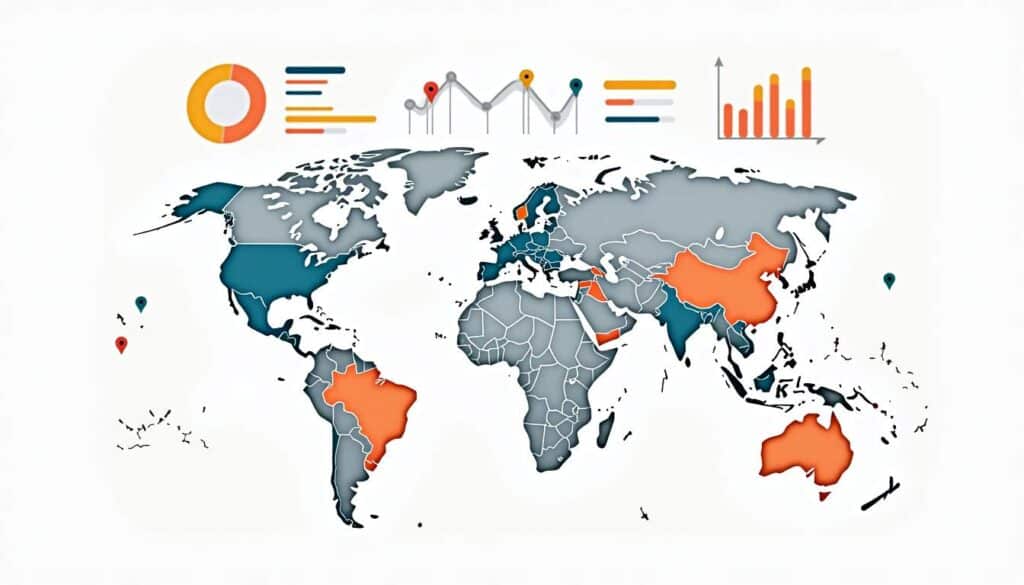
Analyze where your customers are coming from and tailor your targeting accordingly. Use Google Analytics and Google Ads location reports to identify high-performing areas and optimize your campaigns. Understanding the nuances of your audience’s location behavior can also provide insights into local trends and preferences, allowing you to craft more relevant messaging that resonates with your target demographic. For instance, if you notice a significant portion of your traffic is coming from a particular city, consider creating localized ad copy or promotions that speak directly to that audience.
2. Combine Geographic Targeting with Other Targeting Methods
Layering geographic targeting with demographic, device, and time-based targeting can refine your audience further. For example, targeting young adults in urban areas during peak shopping hours can improve ad relevance. Additionally, consider seasonal trends and local events that may influence consumer behavior. If a major festival or sporting event is taking place in a specific area, aligning your ads to coincide with these events can enhance engagement and drive foot traffic to your business.
3. Use Location Extensions
Adding location extensions to your ads shows your business address, phone number, and a map marker. This makes it easier for mobile users to find your store and increases the likelihood of visits. Moreover, location extensions can help improve your ad’s visibility and click-through rate, as they provide essential information at a glance. By showcasing your proximity to potential customers, you can leverage the convenience factor, encouraging users to choose your business over competitors that may be further away.
4. Test and Adjust Radius Targeting
Experiment with different radius sizes to find the sweet spot that balances reach and relevance. A smaller radius might work better for densely populated areas, while a larger radius could be effective in suburban or rural regions. It’s also beneficial to consider the nature of your business; for example, a restaurant may find success with a tighter radius, while an online retailer might benefit from a broader reach. Continuously testing and refining your radius targeting can lead to improved ad performance and a better return on investment.
5. Monitor and Optimize Regularly
Keep an eye on location performance metrics and adjust bids or exclusions as needed. Geographic targeting is not a set-it-and-forget-it feature—it requires ongoing optimization to maximize results. Regularly reviewing your campaign data can reveal patterns that inform future strategies, such as identifying underperforming regions that may need additional attention or resources. Additionally, consider leveraging A/B testing for different geographic segments to determine which strategies yield the best results, allowing you to allocate your budget more effectively.
The Future of Geographic Targeting: Privacy and Data Changes
One of the biggest shifts in digital advertising in 2024 is Google’s plan to phase out third-party cookies. This change means advertisers will need to rely more heavily on their own first-party data for targeting and measurement.
While this might sound challenging, it actually underscores the importance of geographic targeting. Location data collected directly from your customers can help you maintain precise targeting without relying on third-party trackers.
Leveraging First-Party Data for Geo-Targeting
Businesses can enhance their geographic targeting by integrating first-party data such as customer addresses, purchase history, and app location signals. This approach not only respects user privacy but also improves ad relevance and effectiveness.
Voice-Over Ads and Geographic Targeting: A Winning Combo
Another exciting trend in Google Ads is the use of voice-over in advertisements. Including a voice-over can increase ad recall by 25% and reduce the cost per lifted user by 50% compared to standard ads.
When combined with geographic targeting, voice-over ads can create a more personalized and engaging experience for local audiences, making your message stand out even more in crowded markets.
Google Ads Geographic Targeting: Real-World Success Stories
Consider a local retail chain that implemented Google’s AI-powered location-based ad solutions in 2024. By targeting customers within a 10-mile radius of each store and using location extensions, they saw a 38% increase in click-through rates and a 34% boost in store visits.

Similarly, a restaurant chain optimized their campaigns for mobile users searching “near me” and experienced a surge in reservations and walk-ins, capitalizing on the 150% growth in local mobile searches.
Wrapping It Up: Why Geographic Targeting Should Be Part of Your Google Ads Strategy
Geographic targeting is no longer just a nice-to-have feature; it’s a must-have for advertisers looking to connect with local customers and maximize their ad spend. With mobile searches booming and Google’s AI-powered tools enhancing location-based ads, the opportunity to drive foot traffic and increase conversions has never been greater.
By understanding how to use geographic targeting effectively, combining it with first-party data, and embracing new ad formats like voice-over, businesses can stay ahead of the curve and make the most of their Google Ads campaigns in 2024 and beyond.
For advertisers looking to grow locally or regionally, geographic targeting is a powerful tool that delivers measurable results—helping you reach the right people, in the right place, at the right time.
