

In the fast-evolving world of digital marketing, staying ahead means embracing innovations that allow for more precise targeting and better performance. Google Ads, a dominant force in online advertising, continues to roll out features that empower advertisers to connect with their audiences more effectively. One such innovation gaining traction is event-based campaigns. These campaigns leverage specific user actions or real-world events to trigger ads, creating timely and relevant interactions that drive engagement and conversions.
This article dives deep into Google Ads event-based campaigns: what they are, why they matter, and how you can harness their power to elevate your advertising strategy in 2024 and beyond.
What Are Google Ads Event-Based Campaigns?
Event-based campaigns are a type of advertising strategy where ads are triggered by specific events or user behaviors. Unlike traditional campaigns that rely on broad targeting or static schedules, event-based campaigns respond dynamically to real-time signals. These signals can range from online actions—like visiting a website or adding a product to a cart—to offline events such as holidays, product launches, or even local happenings.
For example, imagine a retailer launching a flash sale. With event-based campaigns, ads can automatically activate when the sale starts, targeting users who have shown interest in related products or categories. This ensures that the right message reaches the right audience at the perfect moment, increasing the likelihood of engagement and purchase.
Why Event-Based Campaigns Are a Game-Changer
The beauty of event-based campaigns lies in their ability to create hyper-relevant ad experiences. In 2024, Google Ads introduced advanced audience targeting capabilities, allowing advertisers to reach their desired audience with greater precision than ever before. This means that event-based triggers can be combined with finely tuned audience segments, making campaigns smarter and more effective.
Moreover, Google’s integration of AI-powered ad suggestions has significantly enhanced ad relevance and performance. These AI features analyze event data and user behavior to recommend the best ad creatives and bidding strategies, ensuring that your campaigns are always optimized for success.
In addition to enhancing targeting precision, event-based campaigns also allow for real-time adjustments based on user interactions. For instance, if a user engages with an ad but does not complete a purchase, advertisers can retarget that user with follow-up ads that highlight similar products or offer incentives, such as discounts or free shipping. This capability not only helps in recovering potential lost sales but also fosters a more personalized shopping experience that resonates with consumers.
Furthermore, the flexibility of event-based campaigns extends beyond e-commerce. Businesses in various sectors, including travel, entertainment, and services, can leverage these campaigns to promote time-sensitive offers or events. For example, a travel agency can launch ads for last-minute vacation deals triggered by users searching for flights or hotels. This adaptability makes event-based campaigns a versatile tool for any marketing strategy, allowing brands to stay relevant and responsive in an ever-changing marketplace.
How Event-Based Campaigns Work in Google Ads
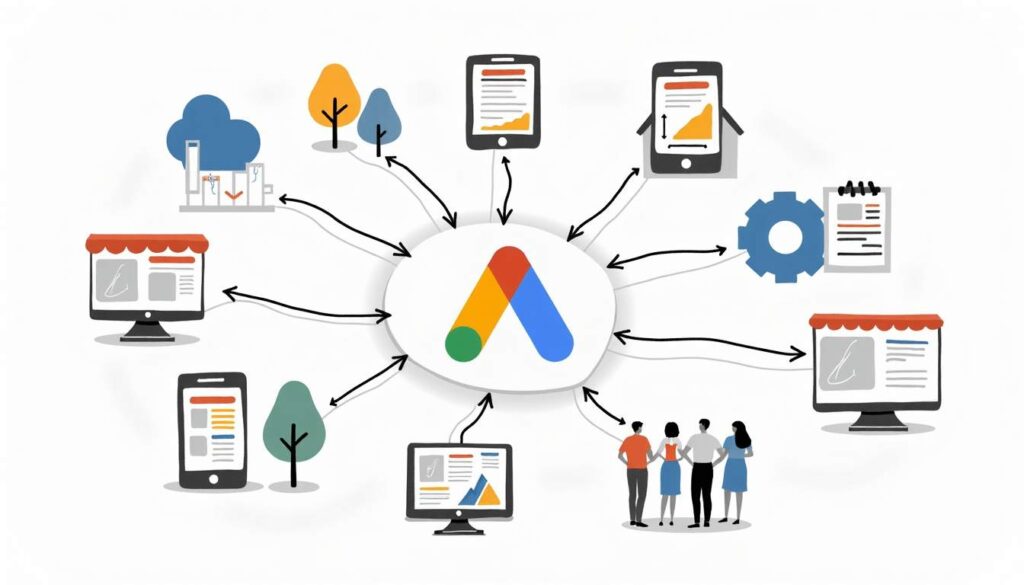
Setting up event-based campaigns in Google Ads involves defining the events that will trigger your ads and linking them to your campaign goals. These events can be configured through Google Analytics, Google Tag Manager, or directly within Google Ads using conversion tracking and custom parameters. By establishing a clear connection between user actions and advertising efforts, businesses can create a more cohesive marketing strategy that resonates with their target audience.
Types of Events You Can Use
- Website Interactions: Actions like page views, form submissions, or product views can trigger ads tailored to the user’s interests. This allows advertisers to engage users at various stages of the buying funnel, ensuring that the messaging is relevant and timely.
- Offline Events: Real-world occurrences such as store visits, seasonal sales, or product launches can be used to activate campaigns. By integrating offline data with online strategies, businesses can create a seamless experience that bridges the gap between digital and physical interactions.
- Custom Events: Unique triggers based on your business needs, like app installs or engagement with specific content. These custom events can be particularly powerful for niche markets, enabling tailored messaging that speaks directly to the interests and behaviors of specific segments.
By combining these events with Google’s advanced targeting, advertisers can craft campaigns that respond instantly to user intent and context. This dynamic approach not only enhances user engagement but also improves the overall efficiency of ad spend, as campaigns can be adjusted in real-time based on user interactions.
Leveraging Predictive Incrementality for Smarter Campaigns
One of the most exciting developments in advertising measurement is the concept of Predictive Incrementality by Experimentation (PIE). A recent study by Brett R. Gordon, Robert Moakler, and Florian Zettelmeyer introduced this novel approach to causal measurement, using exogenous variation in ad exposure to predict the true impact of campaigns. By analyzing how different variables affect consumer behavior, advertisers can make data-driven decisions that enhance their marketing strategies.
Applying PIE to event-based campaigns means advertisers can better understand which events truly drive incremental conversions, allowing for smarter budget allocation and more effective campaign optimization. This scientific approach to measurement complements Google Ads’ built-in reporting tools, providing a clearer picture of campaign performance. Furthermore, by continuously testing and refining event triggers, businesses can adapt their strategies to changing market conditions and consumer preferences, ensuring their campaigns remain relevant and impactful over time.
Moreover, the integration of machine learning algorithms within Google Ads can further enhance the predictive capabilities of PIE. By analyzing vast amounts of data, these algorithms can identify patterns and trends that may not be immediately apparent, enabling advertisers to anticipate user behavior and adjust their campaigns proactively. This level of insight not only improves the efficiency of ad spend but also fosters a deeper understanding of the customer journey, allowing brands to create more personalized and engaging experiences for their audience.
Why Google Ads Reports Are Essential for Event-Based Campaigns
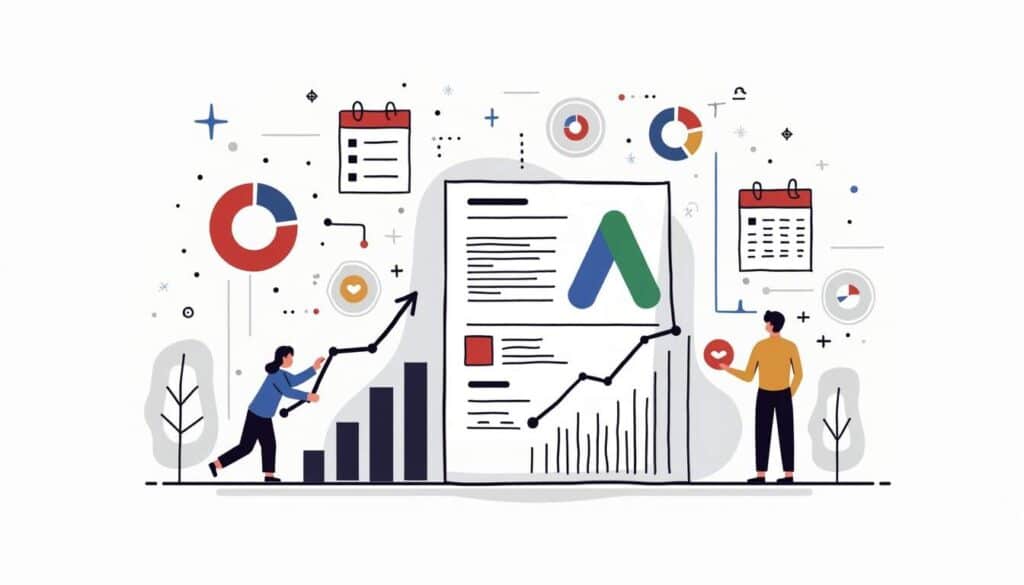
Running event-based campaigns without analyzing the data would be like navigating without a map. Google Ads Reports are invaluable for advertisers looking to identify optimization opportunities and improve their campaign outcomes.
Insights That Drive Optimization
Larry Kim, founder of WordStream and MobileMonkey, calls Google Ads Reports a “goldmine of data and insights.” By regularly reviewing these reports, advertisers can spot trends, understand audience behavior, and detect which events are generating the most value.
Brad Geddes, author of Advanced Google AdWords, emphasizes that these reports provide the necessary data to make informed decisions. For event-based campaigns, this means identifying which triggers lead to higher click-through rates (CTR), better conversion rates, and ultimately, a stronger return on ad spend (ROAS). By analyzing metrics such as time of day, geographic location, and device type, advertisers can tailor their strategies to better align with audience preferences, ensuring that their messages resonate more effectively.
Trends Supporting Event-Based Strategies
In 2024, 70% of industries experienced an increase in CTR, with an average year-on-year growth of 5%. This uptick reflects how advertisers are becoming more adept at crafting relevant, timely ads—exactly what event-based campaigns aim to achieve.
Retail, in particular, accounts for a significant 27% of total Google Ads spending as of 2025. This sector benefits immensely from event-based campaigns, especially during peak shopping seasons and promotional events, where timing and relevance can make all the difference. Additionally, the rise of mobile shopping has transformed how retailers approach their advertising strategies. With more consumers shopping on their phones, understanding mobile user behavior through Google Ads Reports allows businesses to optimize their ads for mobile platforms, ensuring they capture the attention of on-the-go shoppers during crucial sales events.
Moreover, the integration of artificial intelligence in Google Ads has further enhanced the capabilities of these reports. Advertisers can now leverage machine learning algorithms to predict which events are likely to drive the most engagement, allowing them to allocate their budgets more strategically. This predictive analysis not only helps in optimizing current campaigns but also in planning future ones, making it essential for businesses to stay ahead of the competition in an ever-evolving digital landscape.
Practical Tips for Running Successful Event-Based Campaigns
Ready to dive into event-based campaigns? Here are some practical tips to get you started and maximize your results.
1. Define Clear Event Triggers
Start by identifying the key actions or moments that matter most to your business. Whether it’s a user adding an item to their cart, a seasonal holiday, or a product launch, clear event definitions help ensure your ads fire at the right time. Consider creating a timeline of events that are relevant to your audience; this could include holidays, anniversaries, or even industry-specific events. By mapping out these triggers, you can better align your marketing efforts and ensure that your messaging resonates with your target audience when they are most receptive.
2. Use Advanced Audience Targeting
Take advantage of Google Ads’ enhanced audience targeting capabilities to narrow down who sees your ads. Combine event triggers with demographics, interests, and past behaviors to create highly specific audience segments. For example, if you’re running a campaign for a summer sale, you might target users who have previously shown interest in outdoor activities or summer-related products. This level of precision not only improves engagement rates but also increases the likelihood of conversions, as your ads will be reaching individuals who are already inclined to make a purchase.
3. Leverage AI-Powered Suggestions
Google’s AI-powered ad suggestions can help you craft compelling creatives and optimize bids. These recommendations are based on real-time data and event signals, making your campaigns more adaptive and effective. Additionally, consider testing different ad formats, such as responsive search ads or display ads, to see which performs best in conjunction with your event triggers. The flexibility offered by AI can also assist in identifying optimal bidding strategies, allowing you to allocate your budget more efficiently based on performance trends.
4. Monitor and Analyze Regularly
Use Google Ads Reports to track performance metrics closely. Look for patterns in CTR, conversion rates, and cost per acquisition (CPA) related to your event triggers. Adjust your strategy based on these insights to continually improve. It’s also beneficial to set up A/B tests for different ad creatives or targeting strategies to understand what resonates best with your audience. Regularly reviewing these metrics will not only help you refine your campaigns but also provide valuable insights into customer behavior and preferences, enabling you to make data-driven decisions moving forward.
5. Experiment with Predictive Incrementality
If possible, incorporate methodologies like Predictive Incrementality by Experimentation to measure the true causal impact of your campaigns. This will help you focus your budget on the most effective events and tactics. By understanding which campaigns drive actual sales versus those that merely capture attention, you can allocate resources more strategically. Additionally, consider integrating customer feedback mechanisms post-campaign to gather qualitative data that can enrich your understanding of event effectiveness, allowing for even more nuanced campaign adjustments in the future.
The Future of Event-Based Campaigns in Google Ads
As digital advertising becomes more sophisticated, event-based campaigns are poised to become a cornerstone of effective marketing strategies. With Google’s ongoing investments in AI, audience targeting, and measurement innovations, advertisers have unprecedented tools to connect with consumers in meaningful ways.
Looking ahead, expect even greater integration of offline and online data, more granular event definitions, and smarter automation that anticipates user needs before they even arise. For businesses willing to embrace these changes, the potential for growth and engagement is enormous.
Why This Matters for Advertisers
Google Ads is expected to generate nearly $63 billion in search ad revenue in the U.S. alone in 2024, underscoring its dominance and the vast opportunities it offers. Event-based campaigns help advertisers tap into this ecosystem more effectively by focusing on moments that matter most to consumers.
By aligning your advertising efforts with real-time events and user behaviors, you not only improve relevance but also build stronger connections with your audience. This approach leads to better campaign performance, higher ROI, and ultimately, business growth.
Conclusion
Google Ads event-based campaigns represent a powerful evolution in digital marketing. They combine the precision of advanced targeting, the intelligence of AI, and the rigor of scientific measurement to deliver ads that resonate at the right time and place.
For marketers looking to stand out in a crowded digital landscape, embracing event-based strategies is no longer optional—it’s essential. By defining meaningful events, leveraging Google’s latest tools, and continuously analyzing performance, advertisers can unlock new levels of engagement and success.
Whether you’re a retailer capitalizing on seasonal sales or a service provider responding to user actions, event-based campaigns offer a dynamic way to connect, convert, and grow in 2024 and beyond.
Ready to take your Google Ads strategy to the next level? Start exploring event-based campaigns today and watch your advertising results soar.
